
Story and photos from Ga-Ram Nam, COMM 2311-151/Newswriting
Feeling overwhelmed by stress? You’re not alone. Midterm exams may be over, but finals are ahead. Many of us pop in earbuds for some peaceful moments listening to our favorite tunes.
But Hye-gyung Ji, professor of music-piano at South Plains College, does more than just listen to music.
“If my life goes tough or hectic,” she says, “I sit down at the piano bench and start playing music.”
What kind of music does she play? “Something like easy, soothing, calm, and lyrical pieces with beautiful harmonies,” she says. “Then, I instantly feel my heart is lifted from the stress.”
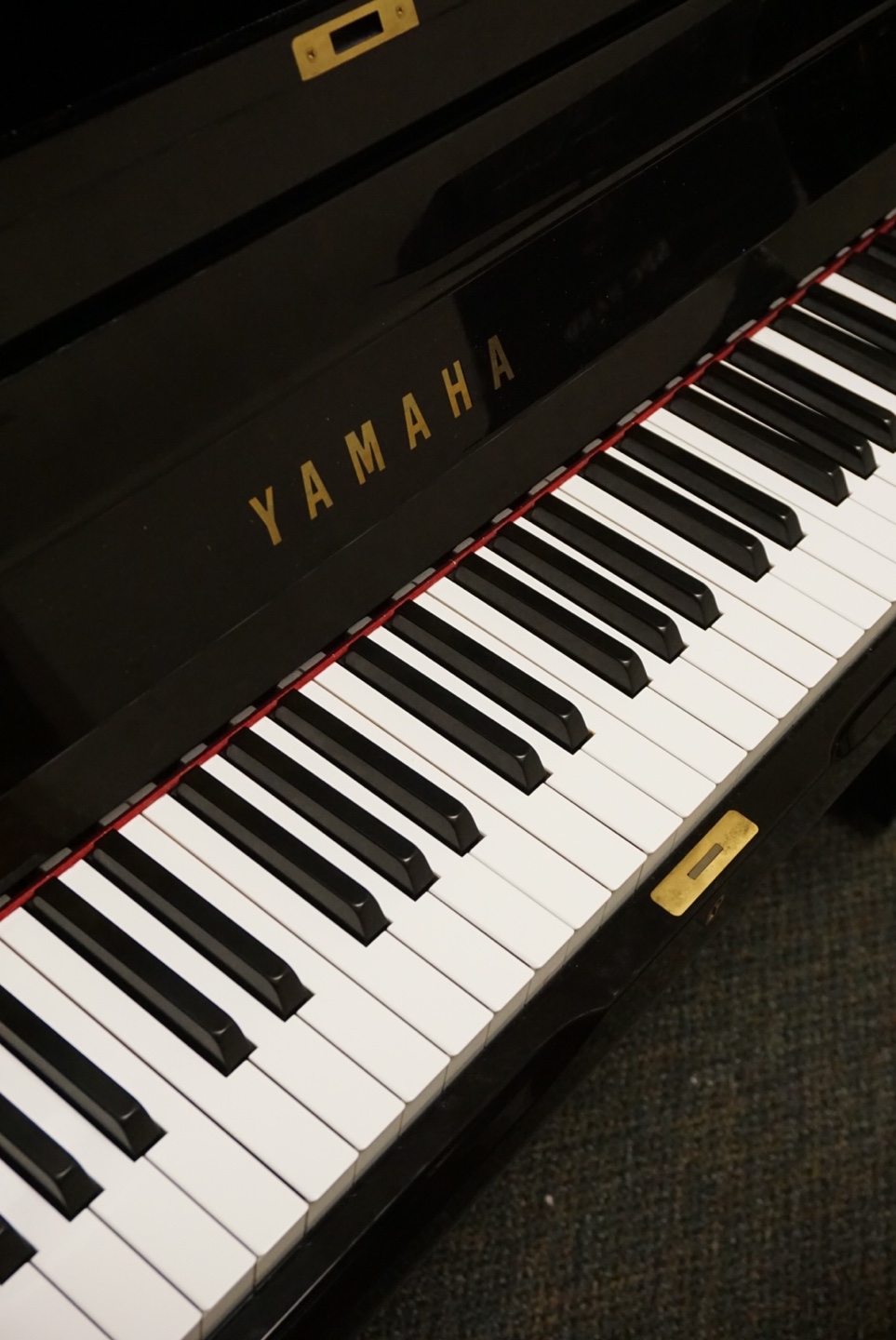
At SPC, students have the opportunity to explore the benefits of music through personalized, one-on-one piano lessons.

Whether they prefer classical, jazz, or contemporary pieces, they can develop their skills while reducing stress. At the end of the semester, recitals provide students with an opportunity to showcase their progress and gain valuable performance experience in a real-world setting.
Teagan Henson, a student who has been enrolled in SPC’s piano courses since fall of 2022, highly recommends Ji’s piano classes. “Dr. Ji is a patient woman who knows how to break down the biggest pieces to simplicity, and she is so skilled in this instrument that I have no doubt in her expertise,” she said.


Henson says she feels a great sense of accomplishment when mastering a new piano piece. “I love playing simply because it numbs my troubles and fills me with an overwhelming sense of peace,” she said.
Research suggests that the sense of peace Teagan describes has a physical component rooted in the brain.
According to a ScienceDaily report from 2022, a study conducted by researchers at the University of Bath and published in Nature Scientific Reports showed that playing a musical instrument positively affects brain function and emotional well-being. The study shows that participants who took piano lessons for one hour per week over 11 weeks showed enhanced perception of audio-visual stimuli and reported reduced depression, stress, and anxiety.

Jon Anaya, a music education major at SPC, has taken piano lessons at SPC for three years. He says it has significantly improved his playing skills and understanding of music.
“For a while, playing the piano was one of the only things that made me happy,” he says, “so I genuinely enjoyed going into my lesson. And I think that if other people could learn a song that they love, that it would be the same for them as it was for me.”
SPC offers piano courses under MUAP 1160, MUAP 1260, MUAP 2160, and MUAP 2260. One-credit courses consist of 30-minute weekly lessons, while two-credit courses provide one-hour weekly lessons.

“The main objectives of the piano study are to develop technical proficiency, improve sight-reading, understand music theory, and build a diverse repertoire,” Ji says. According to Ji, the greatest benefit of music is that it helps develop both cognitive and emotional skills.
“It enhances brain function, improving memory, emotional expression and creativity,” she says.
So, why not take on a new challenge and relieve stress by learning to play the piano?

“Different from other instruments, the piano requires us to use our whole body, especially all ten fingers. It is the most efficient instrument for physical, emotional, and cognitive development,” Ji says.
While piano courses are not offered during the summer, they are open to students of all majors in the fall semester. Registration begins April 11.
Leave a Reply