
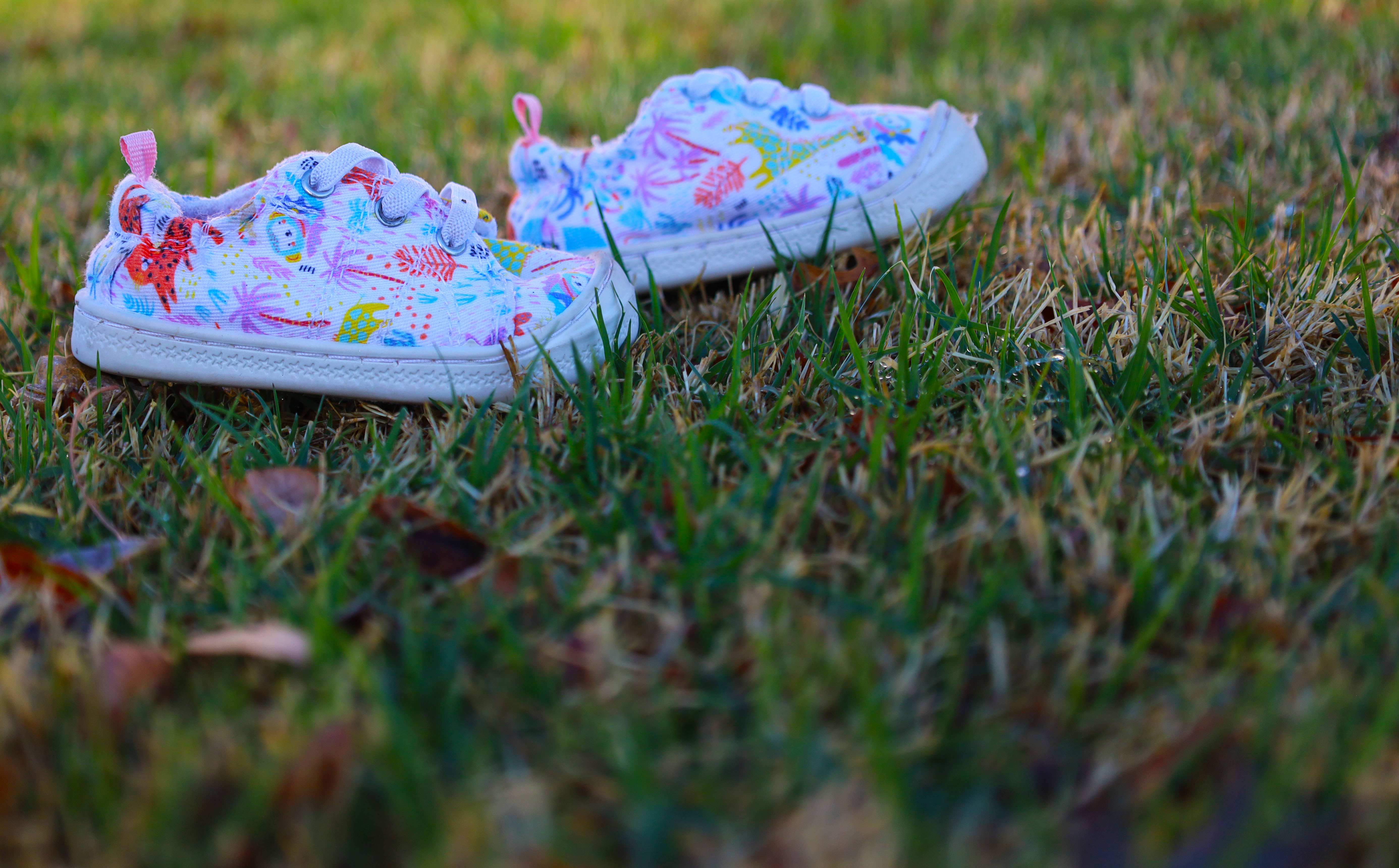
By Tori Underwood, COMM 2311-601; Photos by students in COMM 1318 Photography 1. Feature photo by Tynlea Wilson.
It can start with something small: baby steps. Maybe it’s stepping outside, drinking a glass of water, or making your bed every morning.
Many people think they need to make big changes to improve their lives. But experts say small simple steps can have a powerful impact over time.
Kim Durbin, a licensed professional counselor at Texas Tech University, says she stays busy working with college students who are dealing with stress, anxiety, and major life changes.
“People are like, ‘Starting tomorrow, I’m fixing my whole life,’’’ she says. “Small daily changes work because they’re realistic. They don’t shock your system.”
She says habits like going to bed 30 minutes earlier, drinking more water, stepping outside for a few minutes or taking slow, deep breaths can improve mental health.

“When you repeat those small healthy behaviors,” she says, “you’re basically telling yourself, ‘I’m taking care of me.’”
Durbin says small routines can help during major life changes such as starting college, moving or ending a relationship. “When big things are shifting,” she says, “small constants remind you that not everything is out of control.”
Those small changes are not dramatic, she says, but they are steady.
Other health experts say the same thing. In a 2024 article from Story County Medical Center, a clinic in Iowa, healthcare providers recommend patients make small changes as New Year’s resolutions. The article explains manageable steps are easier to maintain and can turn into lifelong healthy habits. Some of the changes the author suggests include:
- Swapping soda for water

- Taking the stairs instead of the elevator


- Aiming for 7-9 hours of sleep every night

Authors of a 2024 article on WebMD write, “Take baby steps toward your goal.” The authors say new behaviors can take about three weeks to become a habit, so it pays to be patient.
Durbin says big changes often fail because they require too much motivation. She calls big changes “exhausting.”
“Small changes feel doable,” she says. “And when something feels doable, you’re more likely to stick with it.”
For students feeling stressed, Durbin recommends what she calls a “five-minute reset.” She encourages students to put their phones down, close their eyes and take slow, deep breaths for five minutes.
For anyone who feels overwhelmed, Durbin offers simple advice. “Start smaller than you think you need to,” she says. “Like almost so small, it feels silly.”
You’re not aiming for perfection, she says. You’re aiming for consistency.
“Progress is rarely loud or flashy,” Durbin says. “It’s usually quiet and consistent. And that’s okay. That’s actually how it’s supposed to work.”

Leave a Reply