
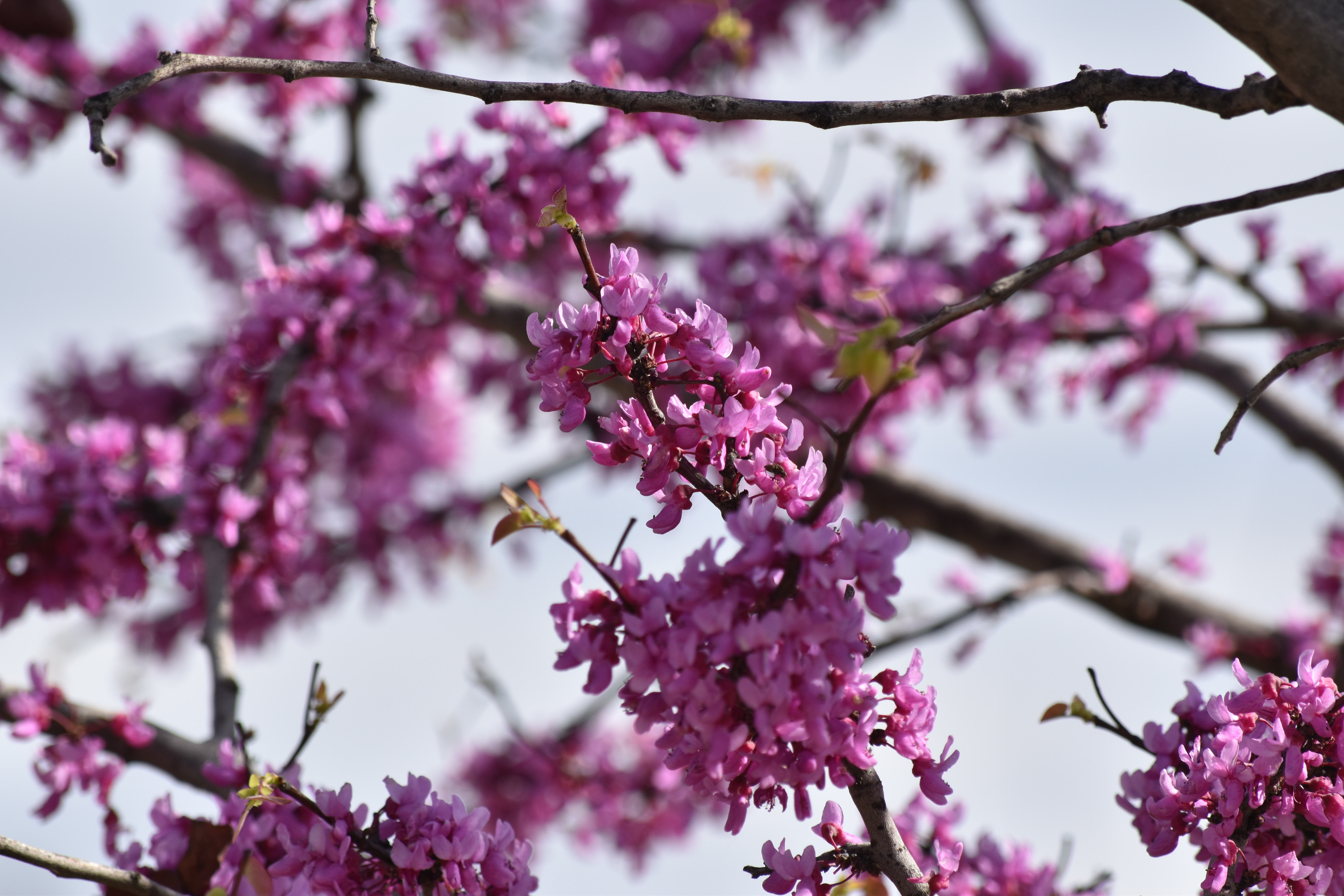
Photos from Clay Patton, News Photography COMM 1316 and Jarrett Wideman, Commercial Music student. Featured photo by Clay Patton.
You already own a camera. And you’re a good photographer. All your friends say so. You’ve even taken a lot of photos outside, or at sporting events or weddings.
So, should you make photography a side hustle while you’re in college?
The answer to that question seems to depend on who you ask.
SPC student Clay Patton says he’s starting to use photography to make a little money on the side. He is enrolled in News Photography this semester. He ultimately wants to be a chiropractor, but he says he loves photography and wants to stay with it.

“I first picked up a camera in 2020 during the COVID pandemic,” he says, “just to give myself something to do to get out of the house.”
He says his mother had a camera she wasn’t using at the time.
“When I first started, I just shot a lot of nature versus like at the park, sunsets,” he says, “just stuff that didn’t really require any setup or there’s no real action.”


Later, he attended Pfeiffer University and shot a lot of sports while he was there. He’s continued shooting sports after moving here and enrolling at SPC.


He was one of two students who volunteered to shoot photos last semester when the SPC Rodeo Team hosted the Joe Dee Brooks Memorial Rodeo.

SPC Sports Information Director JayCee McLendon featured some of Patton’s action shots on the SPC website.


McLendon says photography, especially sports photography, can definitely be a good side hustle for a college student. At the same time, she points out some challenges.
“The biggest challenge,” she says, “is that it has become a pretty saturated market, so breaking into it can be more difficult than people might expect.”
Other challenges, she says, could be expense. She says sports photography can require some expensive camera equipment. Then, there is also the issue of “credentialling”.
“It used to be fairly easy to get credentials from high schools,” she says, “because many were simply happy to have someone interested in covering their teams. Now, some schools have started charging photographers for credentials or access, which adds another potential expense before you even start making money.”
Sidehustleschool.com, which features a free, daily podcast about ordinary people who build extra income streams, lists seven practical steps for how to start a photography side hustle.
The first few steps include:
- Pick a niche and ignore every other niche
- Build the tiniest portfolio that works
- Start with the gear you already own
- Price the total job, not the shoot
Patton says he hasn’t found his perfect niche yet. Right now, he is reviewing hundreds of photographs that he took at a fall wedding, his first big paid project.

Meanwhile, SPC Creative Arts student Jarrett Wideman says he’s been consistently making money doing video and photography as a side hustle, freelancing, for about a full year.
“There’s a lot a lot of specific niches that are saturated,” he says, “but there’s some that aren’t. And I think it’s about finding what you’re good at, what you like to do, and then putting yourself out there as much as you can.”
He says he primarily gets paid for portrait and automotive work.


“And with automotive work,” he says, “I combine that with bike, sports bikes. There’s a lot of people in Lubbock with sports bikes who love getting their pictures taken.”


Wideman says he wants to make photography his full-time career. He recently upgraded to a new camera. Right now, he says, he has a pretty open schedule which works well for photo shoots.
“Like yesterday, I did two photo shoots for both bike, sports bike stuff, and video work,” he says. “And so I did both of those yesterday evening and tonight, and I had plenty of time to do other stuff too.”
One big thing to think about if you are considering a side hustle is how to get your pictures out to clients.
Wideman says word of mouth has worked for him, and he’s had clients come to him from other people he knows.
Patton says his wedding gig went well and he’s proud of what he shot. But he is just starting to build his client list.


McLendon has another suggestion for reaching potential clients that could run into money.
“I would recommend building a website,” she says, “which could result in another unforeseen cost that you might not have considered.”
Final words of advice for someone who wants to give it a try?
“I would just go into it knowing that there can be a fairly significant upfront investment,” JayCee McLendon says, “and that building the business may be a little harder than it initially seems. If you already have some of the equipment and you’re passionate about photography, though, I definitely think it’s worth exploring.”
“Just go have fun with it,” Clay Patton says. “Explore, have fun. It’s what I did, that’s what got me into it.”
Jarrett Wideman adds one more point to consider. Just because someone takes a lot of photographs, he says, it doesn’t mean they have a good eye.
“You’re not always going to get hired or booked or whatever you want just because
you do it,” he says. “You have to put in the time and effort to be good at it.”
###
Leave a Reply